
Back on Light Duty but Still Hurting? Here's What You Need to Know
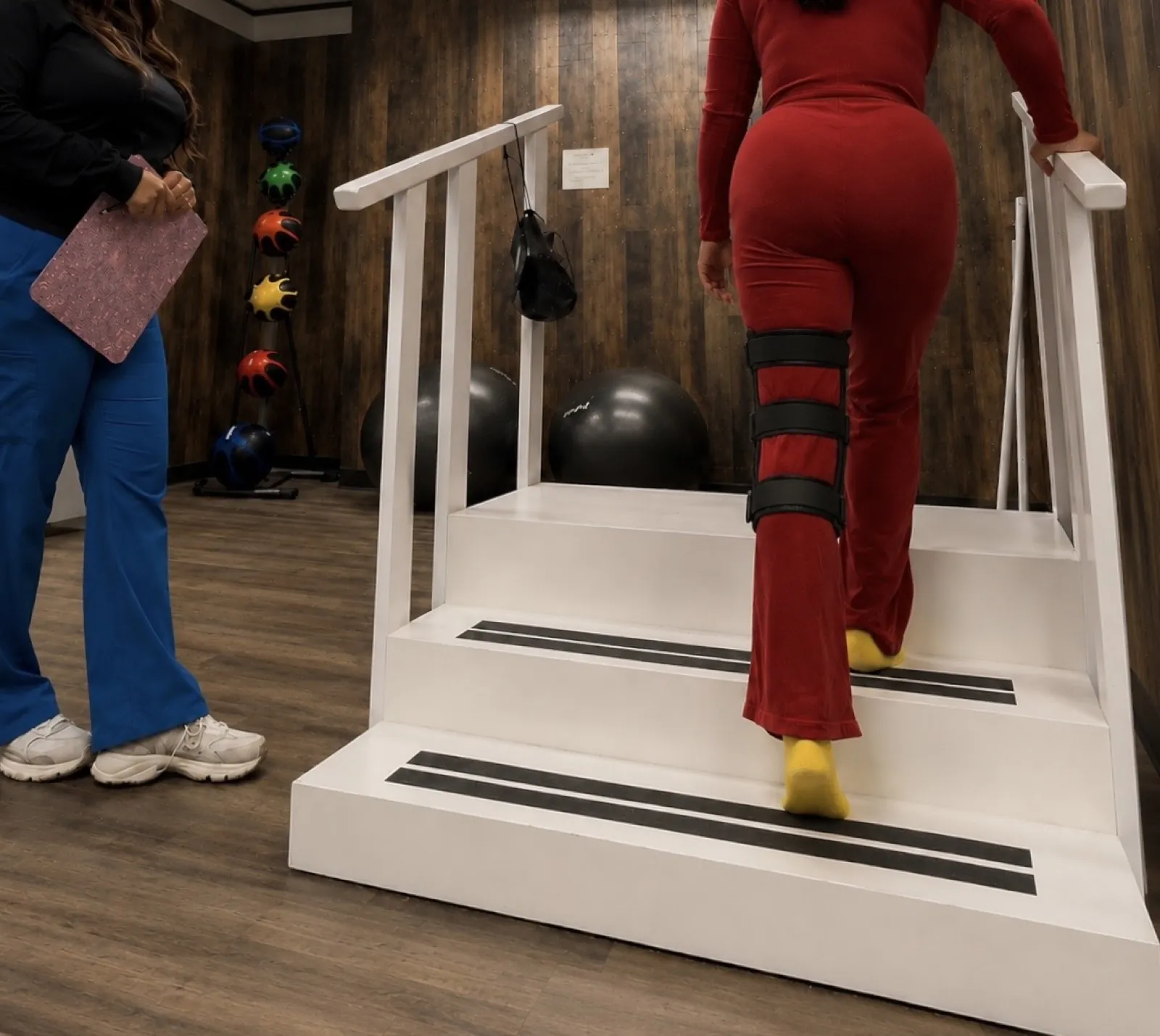
You got hurt at work. The company doctor (or your own) finally cleared you to work again—but on "light duty." You're back in the building, but the pain hasn't stopped, the hours are cut, and your paycheck is smaller. This isn't what recovery is supposed to feel like, and you're right to question it.
This guide walks you through what light duty actually means under Texas law, how much you should be earning, whether you can refuse it, and when to push back.
What Is "Light Duty," and Why Are You Sent There?
When you're cleared to work but your doctor says you can't do your old job yet, your employer (or the workers' comp system) can assign you to "light duty"—temporary, lower-intensity work while you heal.
What gets called "light duty" varies. It might mean:
- Desk work instead of physical labor
- Reduced hours (part-time instead of full-time)
- Modified tasks (no lifting over 5 pounds, no climbing, no standing for 8 hours)
- Different department or location entirely
Legally, what matters in Texas is this: light duty is a transitional phase, not permanent. It exists to keep you earning some income while you recover. The catch is that "some income" often feels like not enough—because it usually isn't.
Why You're Still in Pain (And Why That's Actually Important)
Here's what employers and insurance companies often miss: your body doesn't follow a medical release form.
A doctor can sign you off to return to work, but that doesn't mean the injury is healed. You might:
- Feel sharp pain when you move a certain way
- Fatigue faster than before the injury
- Have days where the pain is worse than others
- Struggle with tasks that shouldn't be hard but still are
This is normal. An injury doesn't heal in a straight line. Your doctor cleared you to work, not to be healthy—those are two different things.
This matters legally because if the light-duty job is making your injury worse (a common complaint), you have grounds to question whether it's appropriate. Texas law doesn't require you to accept an assignment that exacerbates your condition.
How Much Should You Be Earning on Light Duty?
This is where many employees get trapped.
Workers' compensation in Texas replaces approximately 70% of your average weekly wage while you can't work. But "can't work" is the key phrase.
Light duty is tricky because the system considers you able to work—just in a modified role. So your pay depends on what the light-duty job actually pays:
- If the light-duty job pays what your old job paid: You're getting your full check, no comp offset. This rarely happens.
- If the light-duty job pays less: Workers' comp may supplement the gap—but only up to the 70% cap on your pre-injury wage. This is called "supplemental job displacement benefits" in Texas.
The catch: Not all employers or comp carriers explain this clearly. You might think you're only getting the light-duty paycheck, when you're actually entitled to the supplemental payment on top of it.
What to do: Get copies of:
- Your pre-injury paycheck stubs (to establish your average weekly wage)
- Your light-duty job offer or assignment
- The light-duty pay rate (what they're actually paying you)
- Your current comp payment statements (what the carrier is paying, if anything)
If the light-duty pay plus any workers' comp supplement doesn't add up to roughly 70% of what you made before, you likely have a claim issue—and that's worth a review.
Do You Have to Accept the Light-Duty Job?
This is the question that keeps people up at night.
Short answer: It depends.
If you have a valid workers' comp claim: The general rule in Texas is that you must accept light duty that your doctor clears you to do. Refusing it without good cause can result in benefits being suspended.
But "valid reason" is broader than most employees realize:
- Your doctor says you can't do it: If your doctor says the light-duty job is not safe for your injury, your employer can't force it. The company doctor's clearance isn't the final word.
- It's making the injury worse: If you start light duty and the pain spikes, or the injury regresses, you have grounds to object. Document everything—pain levels, specific tasks that hurt, when it started.
- It's outside your medical restrictions: If your doctor restricted you to "no lifting over 10 pounds" and they're asking you to lift 20, that's not light duty; that's a medical violation.
- There's no actual job available: Some companies say they have light duty but can't actually provide it. In that case, you're still entitled to benefits.
The real risk: If you refuse light duty capriciously (without a solid reason), carriers can suspend your benefits. But if you refuse with documentation (your doctor's opinion, your injury getting worse, safety concerns), the burden is on them to prove you were wrong—and that's harder than most people think.
When to Push Back: Red Flags and Next Steps
Consider pushing back or seeking help if:
- You're back on light duty but the pain is the same or worse than before
- Your paycheck dropped 30% or more, and no one explained supplemental benefits
- You're asked to do tasks that contradict your medical restrictions
- You're discouraged from seeing your own doctor while on light duty
- The "light duty" job doesn't actually exist or keeps changing
- You're being pressured to return to full duty before you're ready
- You've been on light duty for 6+ months with no clear end date
Any of these warrant a second opinion. Specifically:
- Get a second medical opinion from a doctor who isn't the company's. Your own physician (if they know your case) or a specialist in your injury type can document whether the light-duty assignment is appropriate.
- Request a written explanation from your employer or comp carrier: "Why am I on light duty? What are my restrictions? How long is this expected to last? What are my pay arrangements?"
- If the answers are unclear, or if your medical situation changes, contact an experienced workers' comp representative. In Texas, you can request a benefit review hearing, and you have the right to representation at no upfront cost—the system allows fees to be paid from your award if you win.
What Happens If You Push Back Successfully
If you document the problem correctly and push back, several things can happen:
- Your claim gets re-evaluated, and you're awarded higher benefits reflecting your actual work capacity
- You're released back to modified (easier) light duty or kept on full disability benefits while you continue healing
- Your carrier authorizes additional medical treatment to actually resolve the injury, rather than just trying to get you back to work quickly
- The job assignment is withdrawn because it doesn't meet medical necessity
None of this is guaranteed, but the pattern is clear: documented pushback works better than silent suffering.
Frequently Asked Questions
Can the company doctor's clearance override my own doctor's opinion? Not legally. In Texas, if your personal physician (or an independent evaluator) disagrees with the company doctor's clearance, the case is typically reviewed by the insurance carrier. If there's a genuine dispute, you can request a benefit review hearing before a workers' comp judge. The company cannot force you to work against your doctor's documented medical restrictions.
If I refuse light duty, do I automatically lose my benefits? No. You lose benefits only if you refuse without good cause. Good cause includes: your doctor says you can't, the job would make the injury worse, or the job contradicts your medical restrictions. If you refuse because it's inconvenient or you don't like the job, that's riskier—but even then, the carrier has to prove the light duty was appropriate before they can suspend you.
How long can an employer keep me on light duty? There's no set limit in Texas, but light duty is supposed to be transitional. If you're stuck in light duty for 6+ months with no medical reason and no end date in sight, that's a red flag. At that point, either you should be released to full duty (if you're healed) or returned to workers' comp disability (if you're not). A prolonged, undefined light-duty assignment often signals a claim management failure—worth reviewing.
Will pushing back cause my employer to retaliate? Texas law prohibits retaliation for filing a workers' comp claim or exercising your rights under workers' comp law. If you're fired, demoted, or mistreated because you questioned the light-duty assignment or asked for a medical review, that's illegal retaliation, and you have additional legal protections and potential claims.
Should I just accept light duty even though I'm hurting? Only your doctor can answer this. If your physician says the work is safe and the pain is normal healing, accepting light duty can actually help your case (it shows you're complying with medical guidance). But if your doctor advises against it or says the work is making it worse, accepting it anyway could undermine your claim and your health.
See If You Qualify for a Claim Review
Light duty is a legal gray zone—and insurance companies count on injured workers not knowing it. If you've been sent back to light duty but you're still hurting and the pay doesn't add up, or if you're not sure whether you have to accept the assignment, a brief claim review can clarify your options.
We help injured workers understand their rights and push back when the system gets it wrong. See if you qualify for a free claim review today.
Still hurting? We treat you until you're actually better.
Workers' comp pays, not you. Calling costs nothing.